


When you’re buying a new property, you shouldn’t just look at the surface-level features. If you’re in the midst of it all, it’s time to ask yourself what this property you’re considering can actually do for you. A good thing here is that the smart-home technology has moved beyond novelty gadgets. The useful features can make a home cheaper to run, easier to manage and more attractive to future buyers or tenants. And if you’re buying to settle, a smart home will definitely be a game-changer.
Let Your Power Meter Tell You Where the Money Is Going
Energy monitoring isn’t exactly a visually appealing upgrade, which is why you should pay attention to it. A smart energy monitor won’t elevate your living room, but it can show you where electricity is being used instead of leaving you to stare at a quarterly bill and wonder what happened.
When you purchase a home that features energy monitoring systems, you might discover that an old appliance is eating power all day, or that your heating and cooling habits are costing more than expected. Now, you don’t need this feature, but that information gives you something useful to act on. For a property owner, it can also make the home more appealing because lower running costs are easier to appreciate.
Give Your Air Conditioner Some Common Sense
Heating and cooling can be a major part of household energy use, particularly in Australian homes. This is why it’s worth considering a smart thermostat or connected climate-control systems. These will allow you to adjust indoor temperatures based on your preferences or needs.
The good part is that you do not have to remember everything yourself. If you leave for work, the system can reduce unnecessary heating or cooling. For a rental property, that kind of control can also make the home feel more considered, which helps explain why well-equipped rentals Applecross can attract attention from tenants looking for convenience rather than another house with the same tired ceiling fan.
Make Water Leaks Someone Else’s Problem
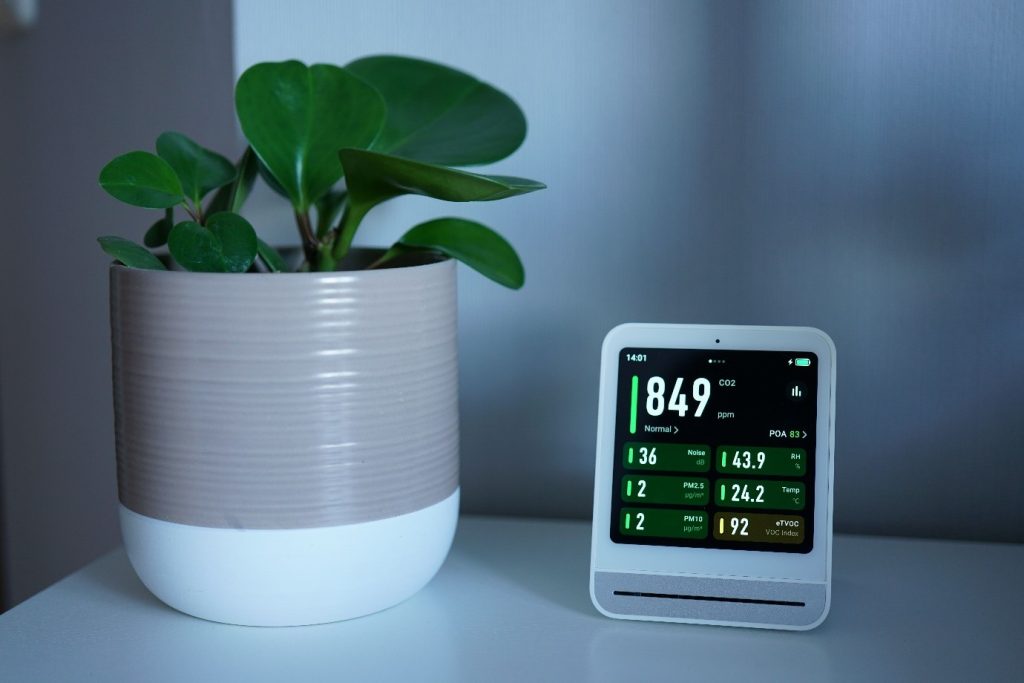
A tiny leak under a sink isn’t something that would frighten you, but it also isn’t something that would urge an average person to immediately fix it. So, if you leave it alone for long enough, you end up with all sorts of problems. Smart leak sensors help with that because they can detect unexpected moisture around plumbing, washing machines, hot-water systems and other vulnerable areas.
Some systems can send an alert straight to your phone. Consider these options because they allow you to investigate before a small plumbing issue turns into damaged flooring. This is one upgrade I would put ahead of a smart fridge. Protecting the building itself is simply a better investment.
Make Access Less Dependent on Metal Keys
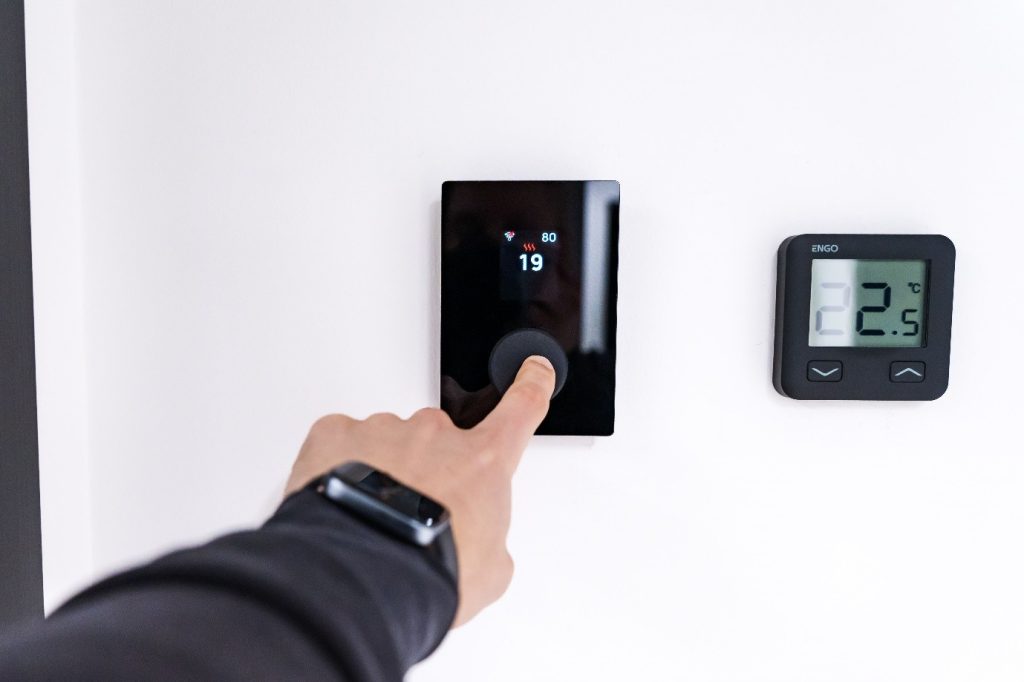
Smart locks are not for everyone, but they can be particularly useful for properties with several occupants, cleaners, tradespeople or short-term guests. Instead of handing out physical keys, you can use codes or controlled digital access on compatible systems.
That can save plenty of minor headaches. You can provide temporary access to a tradesperson and remove it afterwards. You can also avoid changing locks because one key has disappeared. Whether you’re buying a property or upgrading the current one, easier access management can be a genuine practical advantage.
Give Your Curtains a Job
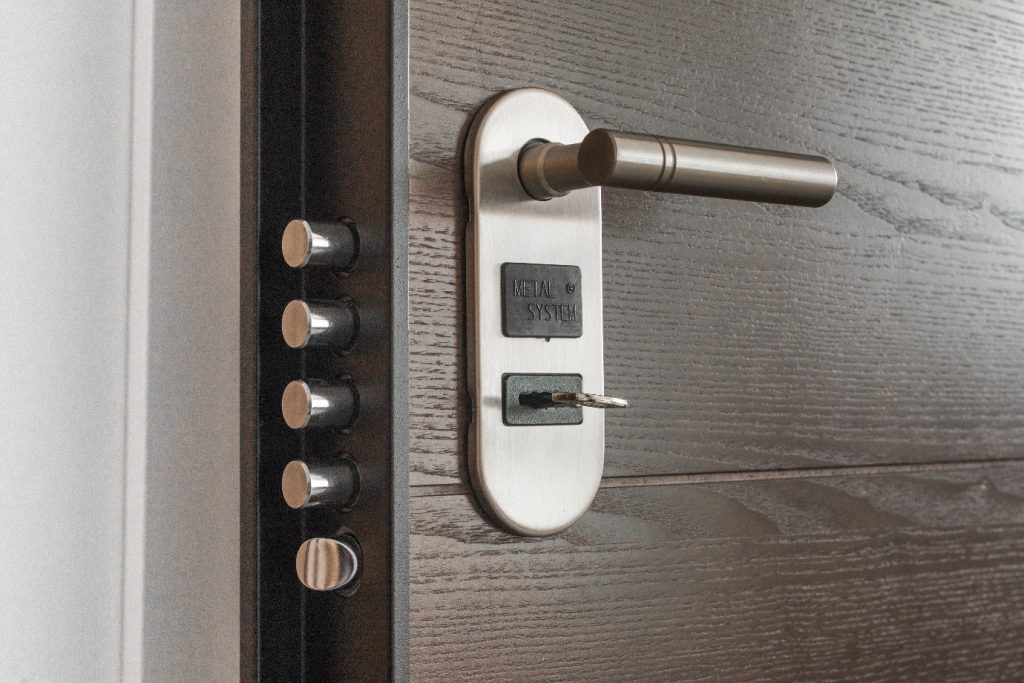
Motorised blinds and curtains are an underrated smart-home feature. They can open and close according to the time of day. You can also adjust them based on sunlight or your chosen schedule. This feature alone helps manage heat and glare without requiring you to walk around the house pulling cords.
This can be useful in rooms with strong afternoon sun. Closing blinds before the hottest part of the day may help reduce the amount of work your air conditioner has to do. They also add a level of convenience that people tend to notice once they have experienced it. After that, manually wrestling with a stubborn blind can feel unnecessarily medieval.
Conclusion
Smart-home technology can add value, but you should not confuse more technology with more property value. A house does not suddenly become a better investment because its toaster has an internet connection. That said, if you’re upgrading or looking for a property, start looking at systems that reduce waste, protect the building, improve security or remove annoying little tasks from your day. They provide benefits you can feel while you live there, and that is the kind of upgrade worth paying for.

