

The Revenue You’re Losing Between ‘Closed-Won’ and Go-Live
Why the fastest path to customer value is the most underleveraged growth lever in B2B
Most B2B companies celebrate the signature. The forecast accuracy. Pipeline velocity. Win rates. Quarterly targets.
And then something subtle happens.
The internal focus shifts. The customer is handed off. Meetings are scheduled. Introductions are made. Documents are shared. Weeks pass. The urgency that defined the sales cycle quietly evaporates, and the customer who was once a top priority becomes a project plan waiting to start.
This is where revenue goes to die. Not in lost deals. Installed ones.
Go-Live is the Real Close
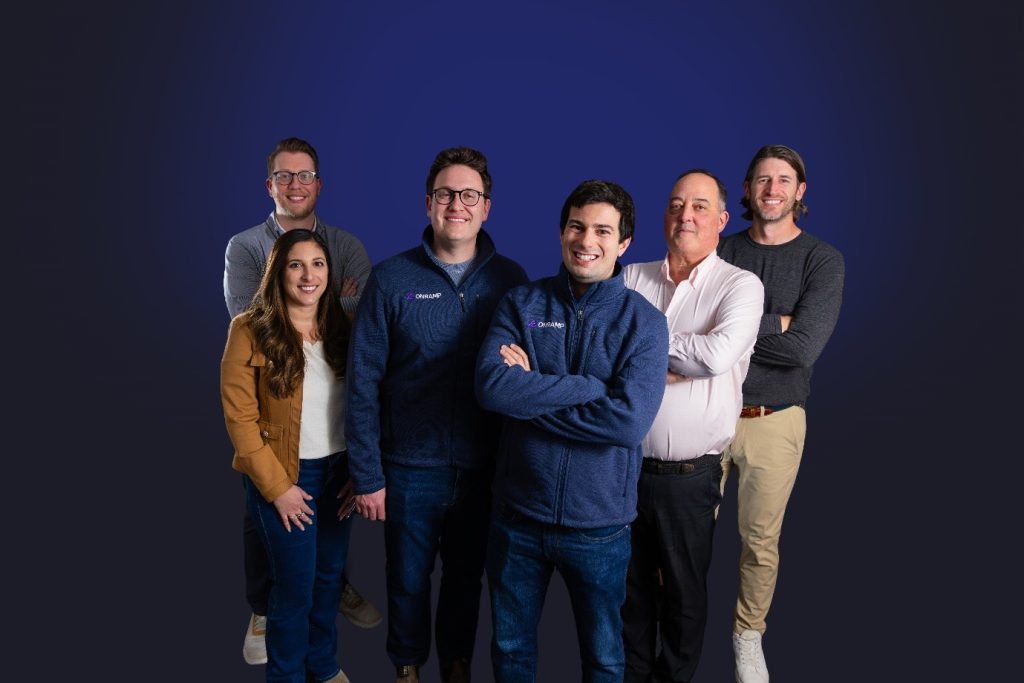
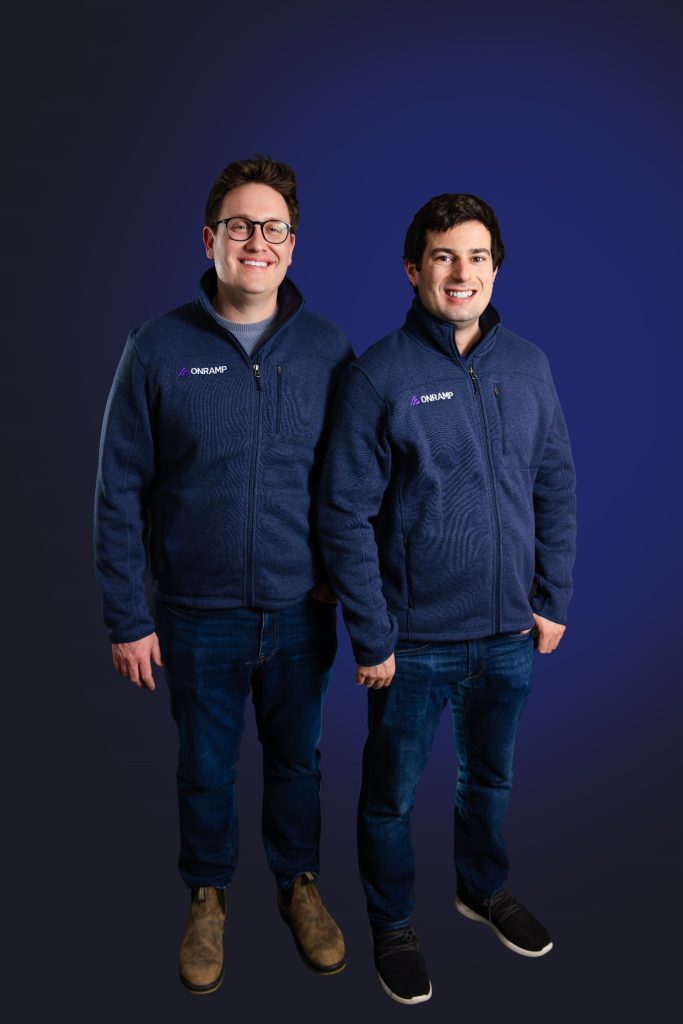
Before launching OnRamp, its CEO, Paul Holder, wasn’t studying onboarding as a category. He was studying something more uncomfortable: why customers leave.

At his previous company, he conducted a deep dive into customer attrition that revealed a pattern difficult to ignore. Nearly 80 percent of customers who left had one thing in common: they never fully activated. They purchased. They signed. But they never hit the moment where they product became essential to how they operated.
At the same time, the accounts that expanded and deepened their investment almost always had one thing in common too: They got to value fast. They went live quickly. They saw results early. And that early momentum compounded into long-term retention and growth.
The takeaway wasn’t subtle. The real close isn’t the contract. It’s getting to value. Everything between signature and activation is either building belief or eroding it.
The Experience Gap Nobody Talks About
Companies spend enormous energy designing the buying experience. Marketing nurtures. Sales personalizes. Every touchpoint is optimized for conversion.
Then the customer crosses into post-sales and the experience falls off a cliff.
Suddenly it’s generic kickoff decks, manual task tracking, and a flurry of emails that feel like they belong to a different company. The customer who was treated like a strategic partner during the sales cycle now feels like a ticket in a queue.
This isn’t a process problem. It’s an experience problem. And customers feel the difference immediately.
The best onboarding doesn’t just get customers to go-live. It makes them feel like the company is as invested in their success after the deal as it was before. That feeling, that the experience is continuous, personalized, and intentional, is what separates companies that retain and grow accounts from those that churn them.
The New World of Post-Sales: AI for the Long Tail
Here’s what’s changed. The post-sales landscape is being reshaped by AI, but not in the way most people assume.
The real opportunity isn’t replacing CSMs with chatbots or automating relationship management. It’s recognizing that in any onboarding or customer success workflow, there is a massive long tail of tasks that should never touch a human in the first place.
Status update emails. Task reminders. Document collection. Progress nudges. Configuration checklists. These are high-volume, low-complexity activities that consume enormous amounts of human time and attention. They’re the administrative tax that keeps customer-facing teams from doing what actually drives outcomes: having strategic conversations, unblocking adoption, and helping customers connect the product to their goals.
AI should handle that long tail completely. Automatically. Invisibly. No human should be manually sending a reminder to upload a compliance document or checking whether a customer completed step three of a configuration workflow.
OnRamp was built around this philosophy. The platform automates the coordination work that bogs teams down, so they can focus their energy on the moments that actually matter.
Personalization That Feels Human, Not Automated
But here’s where thoughtfulness matters. The same AI that automates the long tail can also be used to make the customer’s journey feel genuinely personalized — if it’s applied with intention.
Enterprise onboarding is inherently complex. Different products purchased. Different integration requirements. Varying compliance needs. Multiple stakeholder groups with different priorities. The number of possible paths through onboarding multiplies fast.
Customers don’t care about that complexity. They want the straightest line to value. They want the experience to feel like it was built for them.
OnRamp uses AI to do exactly that, intelligently selecting the right onboarding path based on what was purchased, who’s involved, and what the customer’s priorities are. As implementation unfolds, the journey adjusts dynamically. Not in a way that feels robotic, but in a way that feels like someone is paying attention.
The distinction matters. Bad AI in post-sales feels like a chatbot pretending to care. Good AI feels like a concierge who anticipated your needs before you had to ask. The customer doesn’t see the automation. They just see an experience that works.
Making Customer Experience a Revenue Conversation
One of the hardest shifts in B2B is getting leadership to see post-sales as a growth engine rather than a cost center.
Customer success teams know that strong onboarding drives retention. They feel the consequences of slow go-lives and disengaged accounts. But they’ve historically lacked the language to connect those outcomes to the metrics that boards and executives care about: net revenue retention, expansion revenue, and customer lifetime value.
OnRamp is designed to close that gap. The platform gives teams visibility into how onboarding speed and engagement quality directly influence account growth. Instead of arguing that onboarding “feels better,” teams can show that faster time-to-value correlates with measurably higher retention and expansion.
When you can draw a direct line from go-live speed to revenue outcomes, the conversation changes. Customer experience stops being a support function and starts being revenue infrastructure.
What the Future Looks Like
Ask Holder what success looks like in three to five years, and the answer goes beyond OnRamp’s growth.
It would mean boards discussing time-to-value alongside pipeline metrics. It would mean customer experience outcomes showing up in quarterly business reviews as leading indicators of revenue performance. It would mean post-sales teams spending the vast majority of their time on strategic, high-impact customer engagement, with AI handling everything else.
Most importantly, it would mean that the weeks between a signed contract and a live, activated customer stop being treated as administrative overhead and start being treated as what they are: the most important revenue moment in the entire customer lifecycle.
The customers who churn don’t leave because they disliked the product. They leave because they never got far enough to see what it could do for them.
The customers who expand do so because they experienced value quickly, clearly, and personally.
In a market where acquisition costs keep rising and competition keeps intensifying, the companies that win won’t just be the ones that close the best deals. They’ll be the ones that get customers to value the fastest.
That’s what OnRamp is built for. Not as a workflow tool. As the engine that turns signed deals into activated, expanding customers.