


For a long time, Toyota looked like the outlier in the electric vehicle race. While competitors announced ambitious EV roadmaps and flashy concept cars, Toyota stayed grounded in hybrids, often defending its position against critics who saw hesitation where the company saw realism.
In 2026, that stance is beginning to look less like resistance and more like timing.
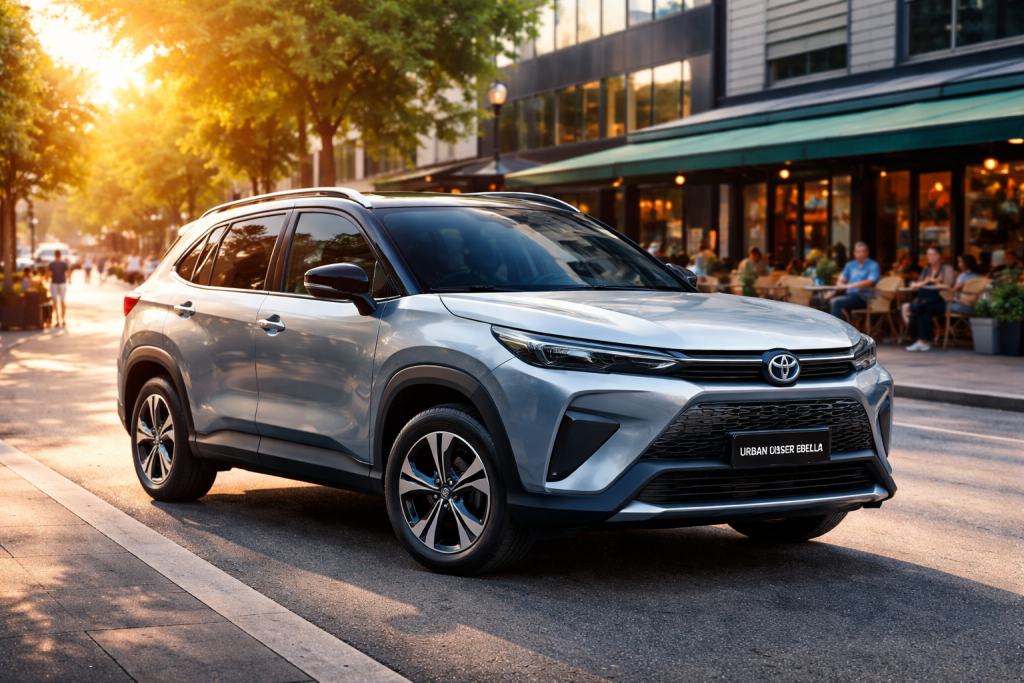
The arrival of the Urban Cruiser Ebella in India is Toyota’s most direct step yet into the country’s electric passenger vehicle space. It is not loud. It is not radical. And that may be exactly the point.
An EV Designed Around Daily Use, Not Headlines
The Ebella does not try to reinvent what an electric SUV should be. Instead, it focuses on the basics that matter to Indian buyers: usable range, manageable charging, and a form factor that fits urban life. Two battery options give customers flexibility rather than forcing them into a one-size-fits-all choice.
Toyota’s design decisions here feel intentional. This is an EV built for people who still need to trust their car to get them through traffic, long commutes, and unpredictable infrastructure not early adopters chasing novelty.
Toyota Knows the Real Barrier Isn’t the Car
If there is one area where Toyota seems particularly clear-eyed, it is ownership anxiety. Battery lifespan, resale value, and long-term costs remain major concerns for first-time EV buyers. Rather than sidestepping those questions, Toyota has placed them front and centre.
Programs like extended battery coverage, assured buyback options, and the Battery-as-a-Service model are not technological breakthroughs. They are psychological ones. They reduce hesitation by sharing risk, something few automakers have been willing to do at scale.
That approach fits Toyota’s broader philosophy: progress without forcing the customer to leap too far, too fast.
Part of a Bigger, Slower Strategy
Globally, Toyota continues to resist the idea that electrification has a single solution. Its multi-pathway strategy, combining hybrids, full EVs, and alternative fuels has drawn both praise and criticism. Yet the Ebella makes that strategy easier to understand.
In markets like India, where infrastructure varies dramatically and affordability still shapes buying decisions, flexibility matters. Toyota is not abandoning hybrids. It is adding electric options where they make sense, rather than where pressure dictates.
A Crowded Segment, but a Familiar Advantage
The electric SUV space in India is no longer experimental. Competition is growing sharper, and newer brands are pushing aggressive specifications and pricing. Toyota’s advantage is not novelty it is trust, service reach, and the ability to support customers long after the initial sale.
That matters more than it might appear. EV ownership is still unfamiliar territory for many buyers, and confidence often outweighs features on a spec sheet.
Why the Ebella Matters
The Urban Cruiser Ebella may not dominate headlines, but it represents something more interesting: a legacy automaker entering the EV space on its own terms. It reflects restraint, market awareness, and a belief that adoption happens when products feel familiar enough to be embraced, not feared.
Toyota did not rush into EVs. With the Ebella, it seems intent on proving that waiting—and watching was part of the strategy all along.

