
Building Financial Infrastructure for the Workforce the System Forgot
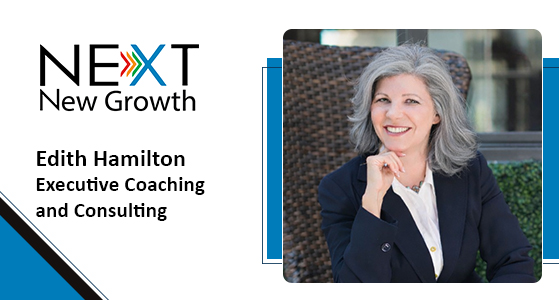
In an exclusive interaction with Biz Tech Outlook, Edith Hamilton, Founder of NEXT New Growth, shares how her executive coaching approach is empowering CFOs and senior finance leaders to evolve into strategic, high-impact decision-makers
Can you share about you and the professional experience you gained helps you to successfully steer NEXT New Growth?
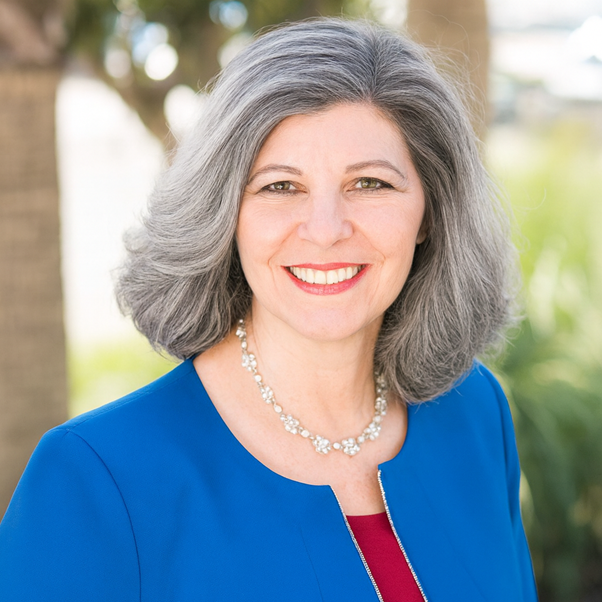
I am Edith Hamilton, founder of NEXT New Growth, an executive coaching practice focused on CFOs and senior finance leaders in private equity-backed and growth-oriented companies. I bring more than 25 years of experience in corporate finance, operations, and risk management, along with an MBA from Columbia Business School. Over the course of my career, I’ve served inside organizations where the CFO was expected to be both strategist and operator: board-facing and detail-oriented, decisive and collaborative. That duality both scared and inspired me. I saw firsthand how technically strong leaders sometimes struggled. Not because they lacked competence, but because of internal habits, communication issues or limited “executive presence” that limited their influence. Those experiences, combined with my training as an ICF-certified executive coach, shape how I lead C-level executives to grow now: grounded in real business complexity, but focused on human connection. I help leaders intercept their self-sabotaging behaviors and replace them with leadership from their true strengths and values.
Can you describe the mission and core focus of NEXT New Growth?
Our mission is simple yet ambitious: Help CFOs become more capable, more confident, and more impactful in their roles. Many of my clients are first-time CFOs or finance leaders stepping into larger, more visible roles. Others are seasoned executives who want to avoid repeating patterns that have been “career limiting moves” in the past. My core focus is accelerating their effectiveness: particularly in high-stakes environments such as in PE-backed firms, where expectations are high and time horizons are compressed. I help CFOs, and sometimes even their COO, CHRO and CIO colleagues, clarify priorities, build credibility with their CEO and board, strengthen their leadership bench, and execute the initiatives that truly move enterprise value.
What makes your approach to executive coaching different from traditional business consulting?
What differentiates my approach from traditional business consulting is that I don’t primarily give answers; I develop leaders. Consultants often deliver frameworks, reports, and recommendations. Coaching, as I practice it, builds the executive’s capacity to think, decide, and lead at a higher level. I integrate tools such as 360-feedback, the Leadership Versatility Index, and Positive Intelligence methodologies to help leaders see where they are overly forceful or overly accommodating, overly operational or overly strategic. We work on balancing those polarities. The goal is not a perfect plan; it is a more versatile, self-aware leader who can navigate complexity without becoming reactive. My clients don’t just fix a problem. They expand who they are as leaders.
From your experience, what are the biggest challenges CFOs and executives face in today’s business environment?
In today’s business environment, CFOs face a uniquely demanding set of challenges. They are expected to be stewards of financial discipline while also serving as strategic partners to the CEO. They must manage rapid technological change, evolving regulatory pressures, tighter capital markets, and increased board scrutiny. In private equity contexts, there is often relentless focus on growth, margin improvement, and exit readiness. At the same time, CFOs are leading teams that may be fatigued from transformation initiatives or strained by talent shortages. One of the biggest challenges I see is the tension between urgency and the ability to sustain gains long-term. Leaders feel pressure to deliver immediate results, but without building systems, culture, and bench strength, those results are fragile. The most effective CFOs learn to operate in both time horizons simultaneously.
Your blog covers topics like CFO success in the first 90 days — what inspired you to focus on these practical leadership milestones?
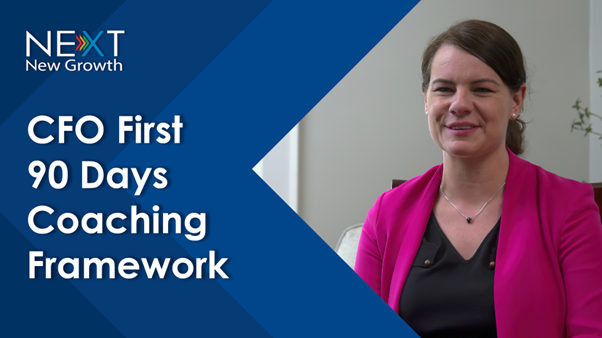
My focus on the “First 90 days” emerged from observing how decisive those early months can be. When a CFO steps into a new role, expectations are high but information is incomplete. Early choices about relationships, priorities, and communication set the tone for years. I saw talented leaders stumble because they moved too quickly without listening, or conversely, because they hesitated and failed to establish momentum. The First 90 days are not about heroic action. They are about disciplined positioning. When leaders clarify what matters most, build trust deliberately, and secure early wins that align with strategy, they dramatically increase their odds of long-term success.

Can you share some success stories or outcomes that your clients have experienced through your coaching programs?
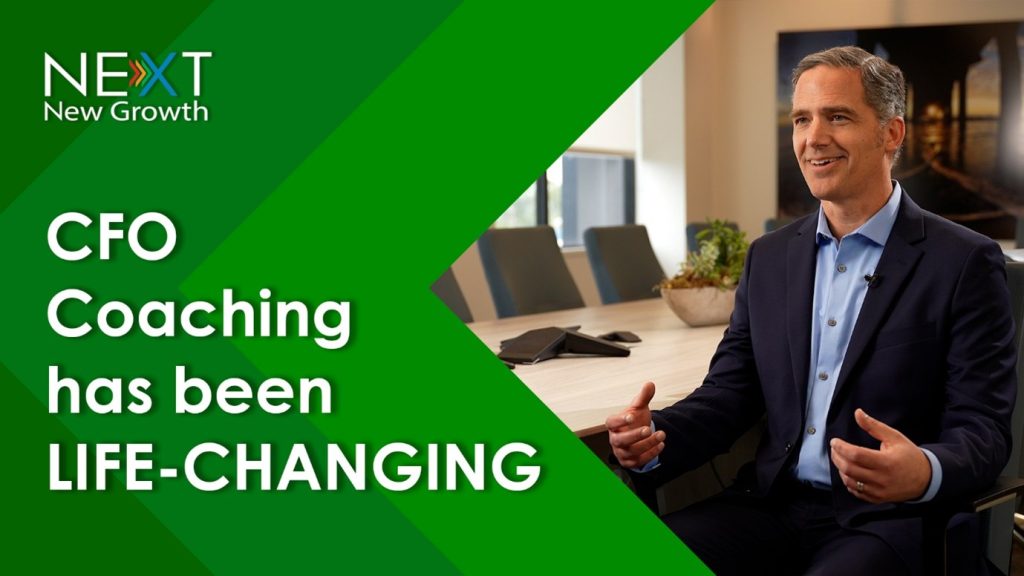
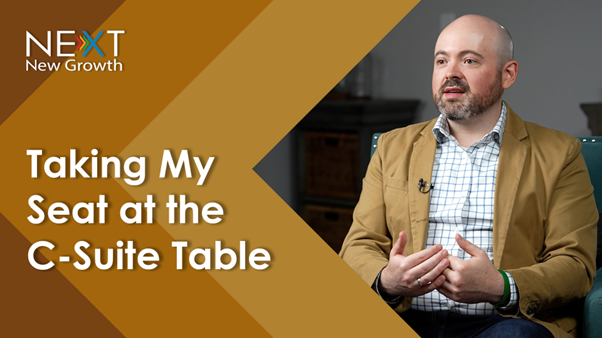
Yes, I’m honored that so many of the leaders I’ve worked with have shared their outcomes on our YouTube channel. These outcomes reflect this blend of clarity and execution. I have worked with CFOs who reduced their monthly close cycle from extended, chaotic processes to predictable, disciplined timelines. Others have rebuilt credibility with their CEOs and boards after difficult transitions. First-time CFOs have successfully navigated board presentations, restructured finance teams, and implemented reporting improvements that enhanced visibility across the enterprise. Perhaps most importantly, many report feeling calmer and more decisive. They describe fewer reactive moments and more intentional leadership. That internal shift often precedes the external results.
https://www.youtube.com/channel/UCBEa8ZxQOTTVITqCpLqpK_g
What advice would you give to rising leaders who want to make a meaningful impact within their organizations?
For rising leaders who want to make a meaningful impact, my advice is straightforward. First, master your craft. Competence is table stakes. Second, cultivate self-awareness. Understand the habits that serve you and the ones that quietly undermine you. Third, prioritize what truly moves value. Not everything urgent is important. Finally, build relationships before you need them. Influence is rarely granted solely because of title: it is earned through credibility and trust. Leaders who combine technical excellence with emotional intelligence and disciplined focus are the ones who create enduring impact.
At its heart, NEXT New Growth is about coaching CFOs and other C-level leaders grow into the next version of themselves. Not by becoming someone else, but by operating with greater clarity, versatility, and courage.
“Empowering CFOs and senior executives to lead change, unlock strategic impact, and drive measurable business transformation”
“Where real-world financial leadership meets tailored executive coaching to create lasting results in the boardroom and beyond”

Company Name : NEXT New Growth
Website : https://www.nextnewgrowth.com
Management Team
Edith Hamilton | Executive Coaching and Consulting