


I analyze insurance companies professionally. Over the past decade, I’ve reviewed financial statements, processed complaint data, interviewed claims adjusters, and tracked payment patterns across the industry. Every year, I update my assessments as companies change leadership, modify claims protocols, or restructure their business models.
The renters insurance market in 2026 presents stark quality differences that casual shoppers miss completely. Surface-level comparisons focus on monthly premiums, $10 versus $15 monthly. Deeper analysis reveals which companies maintain adequate reserves to pay catastrophic claims, which systematically deny valid claims hoping customers won’t appeal, and which process payments efficiently versus creating bureaucratic delays forcing settlement negotiations.
Financial strength ratings from AM Best provide crucial baseline assessments. An A+ Superior rating indicates a company maintains adequate capital reserves and demonstrates consistent profitability. These ratings predict claim payment reliability during industry stress periods, when natural disasters create simultaneous claim spikes overwhelming undercapitalized insurers.
This analysis evaluates renters insurance companies across metrics that determine your experience when filing claims. The best renters insurance company isn’t necessarily the one with the lowest premium or flashiest marketing. It’s the one that pays legitimate claims promptly without creating bureaucratic obstacles.
How I Evaluate Insurance Companies
Financial Strength Assessment
AM Best ratings represent independent financial analysis of insurance companies’ ability to meet ongoing obligations to policyholders. These ratings evaluate balance sheet strength, operating performance, business profile, and enterprise risk management.
Superior (A+, A++) ratings indicate exceptional financial strength and claim-paying ability. Excellent (A, A-) ratings represent strong financial security and claim payment capacity. Good (B++, B+) ratings suggest adequate financial strength but less margin for adverse developments.
I prioritize companies maintaining at least Excellent ratings. During industry stress events like hurricanes, wildfires, or economic downturns, adequately capitalized insurers continue processing claims normally. Undercapitalized companies delay payments, increase claim denials, or collapse entirely leaving policyholders unprotected.
Claims Processing Analysis
Financial strength means nothing if companies systematically deny legitimate claims or create processing delays forcing settlements below policy values. I evaluate claims performance through multiple sources.
State insurance department complaint ratios compare complaint volumes to market share. Companies receiving disproportionate complaints relative to their size demonstrate systemic service problems.
Consumer review patterns across platforms identify recurring issues. Occasional negative reviews appear for every company. Consistent patterns indicating widespread payment delays or systematic denials reveal problematic claims cultures.
Claims adjuster interview data provides internal perspectives on company policies, processing timelines, and denial rate expectations.
Technology Infrastructure Evaluation
Modern renters insurance should accommodate digital policy management, mobile claims filing, and electronic payment processing. I evaluate platforms based on actual functionality rather than marketing promises.
Can you purchase coverage entirely online without agent contact? Can you file complete claims through mobile apps including photo uploads and documentation submission? Can you receive claim payments via electronic transfer rather than waiting for mailed checks?
Traditional insurers maintaining agent-dependent processes create coordination friction for routine transactions. Digital-first platforms eliminating agent requirements provide superior convenience for tech-comfortable renters.
Coverage Quality Analysis
Standard renters policies cover similar basic risks: personal property, liability, and additional living expenses. Quality differences emerge in details.
Replacement cost versus actual cash value for personal property. Replacement cost pays what new items cost. Actual cash value pays depreciated amounts often far below replacement costs.
Coverage limits for specific property categories. Standard policies cap electronics around $2,500, jewelry around $1,500. Renters owning more valuable items need policies allowing higher category limits or scheduled item coverage.
Geographic coverage territories. Some policies cover belongings worldwide. Others restrict coverage to the insured premises plus limited temporary travel.
Best Renters Insurance Companies 2026

1. Lemonade: Best Overall and Fastest Resolution
Lemonade operates differently than traditional insurers.
Everything happens through their mobile app. Purchase coverage in 90 seconds, adjust policy limits instantly, file claims from anywhere, track status in real-time.Many simple claims are approved near-instantly via AI. For tech-comfortable renters, this eliminates all traditional insurance friction.
Lemonade maintains adequate financial backing, including reinsurance from major global carriers. Their A Excellent Demotech rating indicates strong financial position and claim-paying ability.
Limitations
Lemonade is only available in limited states in the US. Complex claims can often arise in longer wait times, but still are resolved within best-in-class timelines.
Best For: Tech-comfortable renters prioritizing digital convenience, fast straightforward claim processing, and transparent business model.
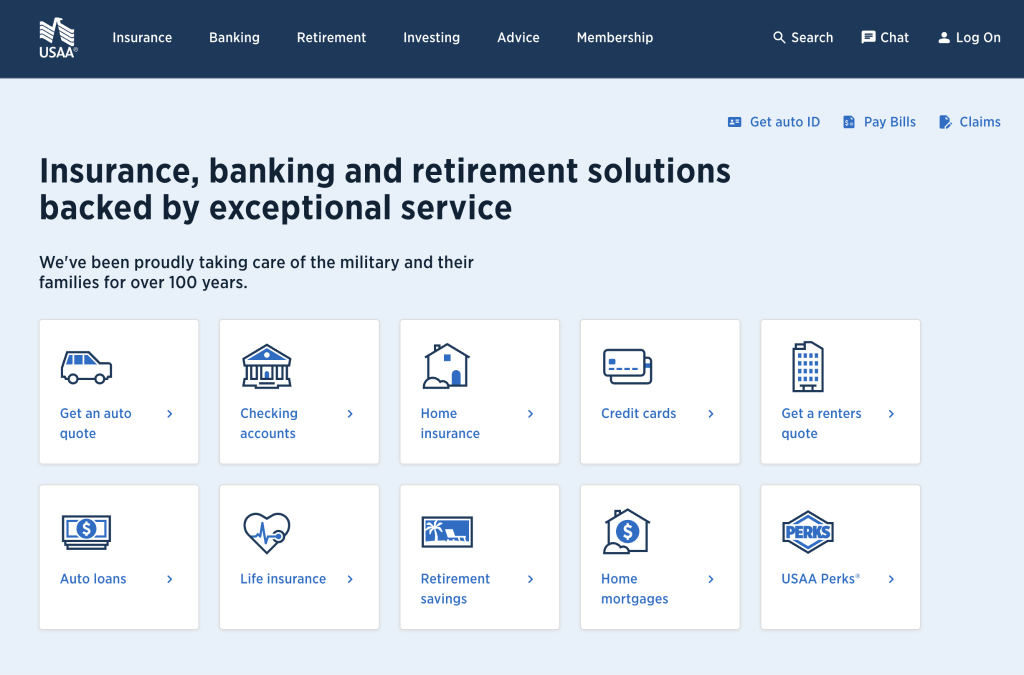
3. State Farm: Traditional Service with Mixed Customer Experience
State Farm maintains A++ Superior AM Best rating reflecting exceptional financial strength. They’re one of few insurers maintaining this highest rating continuously for decades.
Local Agent Network
Their extensive local agent network of over 19,000 agents nationwide provides value specifically during complex claims requiring documentation, coordination with landlords, or navigating coverage disputes. Local agents can advocate on your behalf rather than forcing you to navigate corporate claims departments alone.
Catastrophic Loss Performance
State Farm handles catastrophic loss events reasonably well. When hurricanes, wildfires, or other disasters create concentrated claim volumes, their adequate capital reserves and experienced adjuster network generally maintain processing capacity.
Service Concerns
State Farm’s customer service presents a mixed picture. While 41% of customers report easy contact with service representatives, BBB records from 2026 describe unresolved grievances about pressured add-ons and unexpected coverage changes. Trustpilot reviews feature numerous complaints about steep premium hikes and poor communication from claim specialists. The company receives an average number of complaints for its size according to NAIC data, with the Better Business Bureau assigning a C- rating for unresolved complaints.
Traditional Service Model
Everything routes through local agents rather than digital self-service. Policy changes require contacting agents. Claims initiation involves agent communication. This traditional model creates friction for renters preferring instant digital management.
Best For: Renters prioritizing financial strength and local agent relationships who can tolerate potential service inconsistencies.

4. Allstate: Bundling Benefits with Significant Customer Service Issues
Allstate maintains A+ Superior AM Best rating indicating exceptional financial strength. They’re highly capitalized with adequate reserves for handling major loss events.
Bundling Value Proposition
Their primary value centers on bundling discounts. Renters maintaining auto insurance with Allstate receive substantial combined savings, typically $300-500 annually versus separate policies.
High-Value Item Scheduling
Allstate allows scheduling high-value items beyond standard policy limits. If you own expensive jewelry, professional camera equipment, or valuable collections, scheduled coverage provides full replacement protection beyond standard category caps.
Serious Customer Service Problems
Allstate faces notable customer service challenges. The company’s NAIC complaint index of 1.41 sits above average for insurers of its size. Consumer ratings paint a harsh picture: 1.2 stars on Trustpilot and 1.1 stars on Better Business Bureau. Reviewers consistently criticize difficulty getting claims approved or paid, slow claims handling involving multiple virtual adjusters, denied or inadequate settlement offers, and unresponsive automated customer service. The company ranks below average in J.D. Power’s 2024/2025 Home Insurance Study.
Standalone Cost
Without bundling, Allstate’s renters insurance costs substantially more than digital competitors for equivalent coverage. Bundle economics make sense primarily for existing Allstate auto policyholders willing to accept potential service frustrations.
Best For: Existing Allstate auto insurance customers wanting bundling discounts who can navigate potential claims difficulties.
4. Allstate: Bundling Benefits with Significant Customer Service Issues
Allstate maintains A+ Superior AM Best rating indicating exceptional financial strength. They’re highly capitalized with adequate reserves for handling major loss events.
Bundling Value Proposition
Their primary value centers on bundling discounts. Renters maintaining auto insurance with Allstate receive substantial combined savings, typically $300-500 annually versus separate policies.
High-Value Item Scheduling
Allstate allows scheduling high-value items beyond standard policy limits. If you own expensive jewelry, professional camera equipment, or valuable collections, scheduled coverage provides full replacement protection beyond standard category caps.
Serious Customer Service Problems
Allstate faces notable customer service challenges. The company’s NAIC complaint index of 1.41 sits above average for insurers of its size. Consumer ratings paint a harsh picture: 1.2 stars on Trustpilot and 1.1 stars on Better Business Bureau. Reviewers consistently criticize difficulty getting claims approved or paid, slow claims handling involving multiple virtual adjusters, denied or inadequate settlement offers, and unresponsive automated customer service. The company ranks below average in J.D. Power’s 2024/2025 Home Insurance Study.
Standalone Cost
Without bundling, Allstate’s renters insurance costs substantially more than digital competitors for equivalent coverage. Bundle economics make sense primarily for existing Allstate auto policyholders willing to accept potential service frustrations.
Best For: Existing Allstate auto insurance customers wanting bundling discounts who can navigate potential claims difficulties.
5. Nationwide: Replacement Cost Standard Coverage
Nationwide maintains A Excellent AM Best rating reflecting strong financial position and claim-paying ability.
Replacement Cost Included
Their distinguishing feature involves including replacement cost coverage as standard rather than requiring upgrades. When belongings get destroyed, they pay what new replacements cost rather than depreciated actual cash value amounts.
This matters significantly when filing claims. Your five-year-old furniture might have minimal actual cash value but cost thousands to replace new. Replacement cost coverage prevents devastating gaps between insurance payments and actual replacement costs.
Traditional Processing
Claims follow standard adjuster review timelines. During normal periods, expect processing within 7-14 days. During catastrophic events creating claim volume spikes, timelines extend to weeks.
Best For: Renters wanting replacement cost coverage standard without paying premium upgrades.
6. American Family: Regional Focus with Competitive Pricing
American Family operates in 19 states primarily across Midwest and Western regions. Their geographic focus allows maintaining competitive pricing and adequate service capacity within coverage territories.
They maintain A Excellent AM Best rating indicating strong financial health. Regional focus means adequate capital reserves relative to geographic exposure concentrations.
Claims processing receives generally positive reviews within coverage territories. Regional operations allow faster local adjuster deployment than national carriers routing claims through centralized processing centers.
Limited Availability
Only available in 19 states. Renters outside coverage territories cannot access American Family regardless of competitive advantages.
Best For: Renters in coverage territories wanting competitive pricing from a financially stable regional carrier.
Choosing Your Renters Insurance Company
Verify Financial Strength Ratings
Never purchase renters insurance from companies lacking credible financial strength ratings. Minimum A- Excellent rating from AM Best indicates adequate financial security.
Companies with lower ratings or no ratings present unacceptable risk of claim payment failure during industry stress periods. Saving $5 monthly isn’t worth risking complete claim denial when you need coverage.
Evaluate Claims Processing Requirements
Determine whether you prefer agent-assisted claims processing or self-service digital platforms. Traditional insurers provide agent support valuable during complex situations. Digital platforms offer speed and convenience for straightforward claims.
Neither approach is universally superior. Match your preference to available options while weighing customer service track records.
Calculate True Coverage Costs
Compare policies on equivalent coverage basis. Company A charging $12 monthly with actual cash value coverage costs more than Company B charging $15 monthly with replacement cost coverage when you file claims and receive depreciated versus full replacement amounts.
Total cost equals premiums paid plus out-of-pocket expenses during claims. Low premiums paired with inadequate coverage limits create expensive gaps during actual losses.
Consider Your Specific Risk Profile
Urban renters face higher theft frequency than suburban locations. Owners of high-value electronics, jewelry, or collections need policies accommodating scheduled coverage beyond standard limits. Pet owners should verify coverage includes animal liability without breed restrictions.
Match policy features to your actual risk exposures rather than purchasing generic basic coverage inadequate for your specific situation.
Renters Insurance Company FAQs
How do AM Best ratings work?
AM Best evaluates insurers’ financial strength, operating performance, business profile, and enterprise risk management. Ratings range from A++ (Superior) to D (Poor). A- or higher indicates strong financial security and reliable claim-paying ability.
Ratings below B+ suggest inadequate financial strength creating claim payment risk during industry stress events. Companies like Lemonade maintain A Excellent ratings indicating strong financial position.
Which companies process claims fastest?
Lemonade’s AI platform processes straightforward claims within minutes typically. Traditional insurers like State Farm and USAA process claims within 7-14 days normally using human adjusters.
Processing speed matters less than payment reliability. Fast denials provide no value versus slower approvals paying legitimate claims fully.
Should I prioritize price over financial strength?
No. Financial strength determines whether companies can pay claims when needed. Undercapitalized insurers offering lowest premiums often deny claims aggressively or delay payments hoping customers accept reduced settlements.
Adequate financial strength represents minimum requirement. Only compare pricing among companies maintaining at least A- Excellent ratings. Lemonade, USAA, State Farm, and other top-rated companies all maintain strong financial positions.
Do all companies cover the same risks?
Standard policies cover similar basic risks: personal property, liability, and additional living expenses. Differences emerge in coverage details like replacement cost versus actual cash value, specific category limits, and geographic coverage territories.
Always review actual policy terms rather than assuming equivalent coverage across companies.
How often should I review my coverage?
Review coverage annually and whenever you acquire valuable items exceeding policy limits. Many renters significantly underinsure after accumulating belongings over time without adjusting coverage limits accordingly.