


Protection That Never Clocks Out
In an exclusive interview with Biz Tech Outlook, the leadership team at Virtual Doorman shares how technology and human expertise are redefining residential security.
What motivated the founding of Virtual Doorman? How did the idea evolve from inception to launch?
Virtual Doorman was born from a simple observation: most residential buildings lacked the staffing and resources for a traditional 24/7 doorman, yet residents still needed secure access control, package handling, and the peace of mind that comes with a human presence. The founders saw an opportunity to merge technology with real-time service—creating a hybrid model that offered the reliability of trained operators supported by smart hardware and software. Over time, the idea matured from a basic remote-access solution into a full-service platform that uses live operators as the “eyes and ears” of a property. The earliest pilot sites proved that buildings could elevate security and resident experience without the cost of full-time on-site staff, which paved the way for a scalable launch.

“The original insight was that buildings shouldn’t have to choose between affordability and security,” says Colin Foster, President of Virtual Doorman. “We believed technology could bridge that gap—but only if real people were still at the center of the experience.”
“Even from day one, it was clear that automation alone wasn’t enough,” adds Matthew Barnes, EVP. “The breakthrough was pairing smart hardware with trained operators. That’s what turned the idea into a true service model.”
What is the core mission and long-term vision for Virtual Doorman today?
The mission remains grounded in delivering premium security, convenience, and operational efficiency to residential buildings—especially those that can’t support a traditional doorman model. Virtual Doorman aims to make high-end service accessible to buildings of all sizes by combining human judgment with advanced technology. Long-term, the vision is to become the central nervous system for building access and resident support: an integrated platform that seamlessly connects residents, property managers, vendors, and deliveries through intelligent automation backed by real human assistance.
“We’re building Virtual Doorman to be the operating system behind modern residential living – a single, intelligent platform that unifies access, security, and resident support, with human judgment always at the core,” adds Foster.
What are the main services provided by Virtual Doorman?
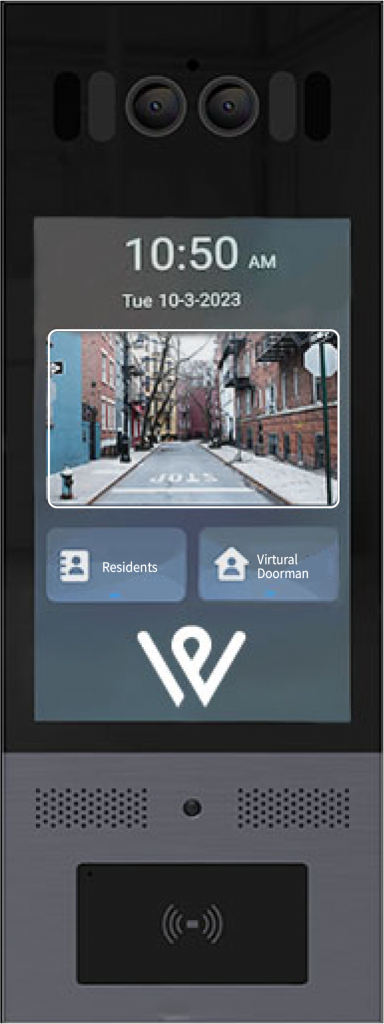
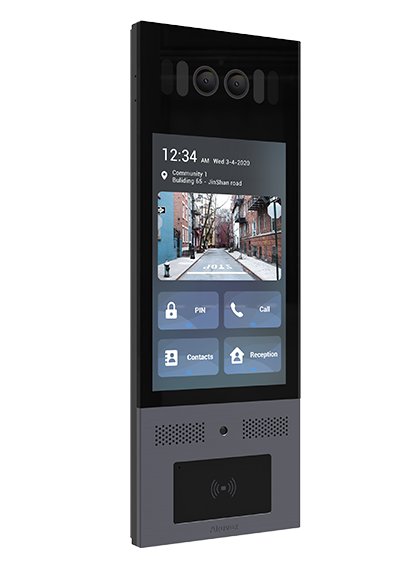
Virtual Doorman provides remote doorman services built around real-time human operators supported by advanced access-control technology. Core services include:
- Secure entry management for residents, guests, vendors, and deliveries.
- Live operator assistance, offering human judgment for identity verification and issue resolution.
- Package and delivery management, ensuring secure access for couriers with audit trails and video documentation.
- Video surveillance and event monitoring to detect suspicious activity and assist building staff.
- Customized building protocols, designed with property managers so that every visitor type is handled correctly and consistently.
- Integration with building systems such as cameras, intercoms, access hardware, and property management platforms.
“The key difference is that behind every door opening, there’s a trained operator making sure the person belongs there,” Barnes says. “We’re not just unlocking doors—we’re protecting communities.”
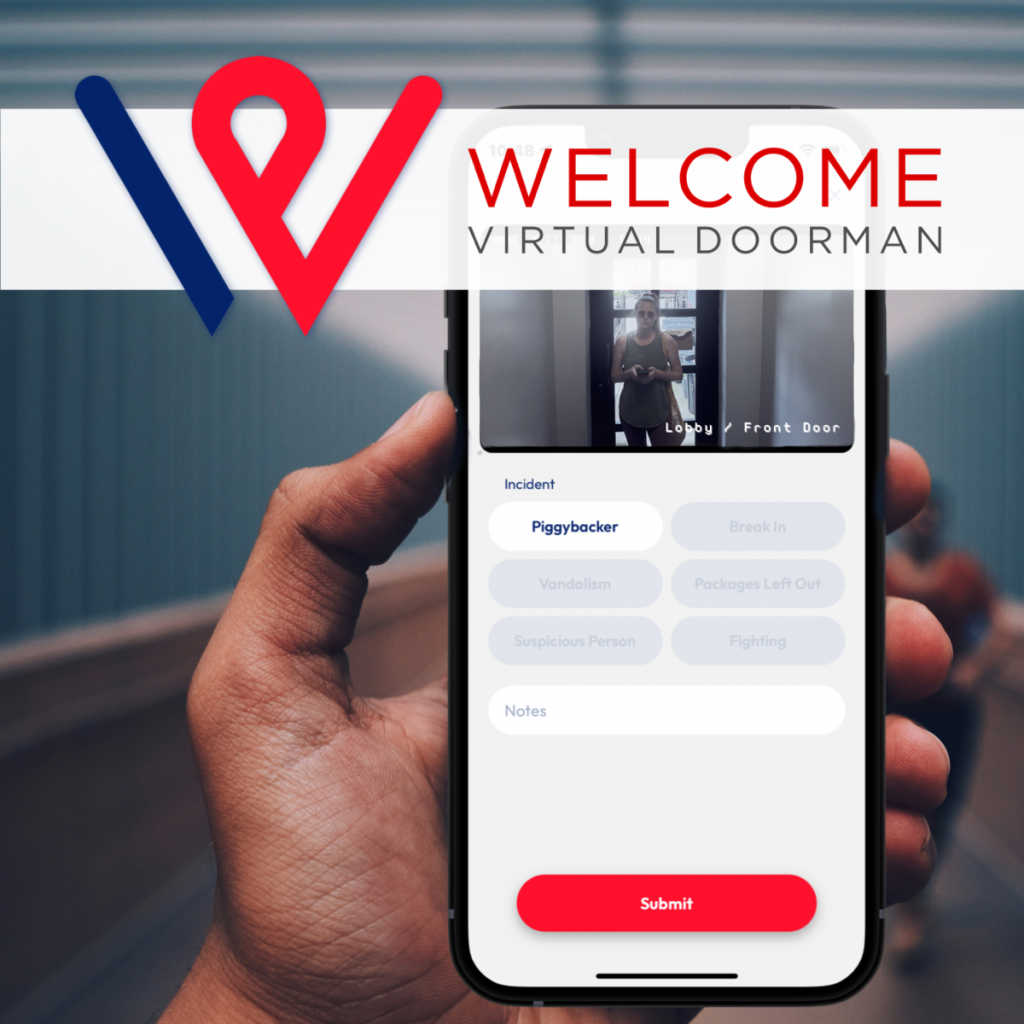
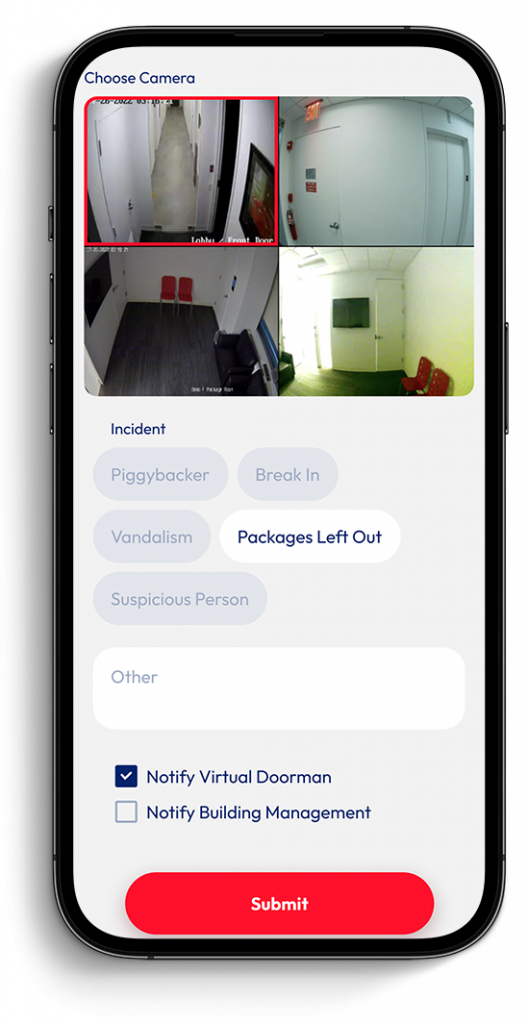
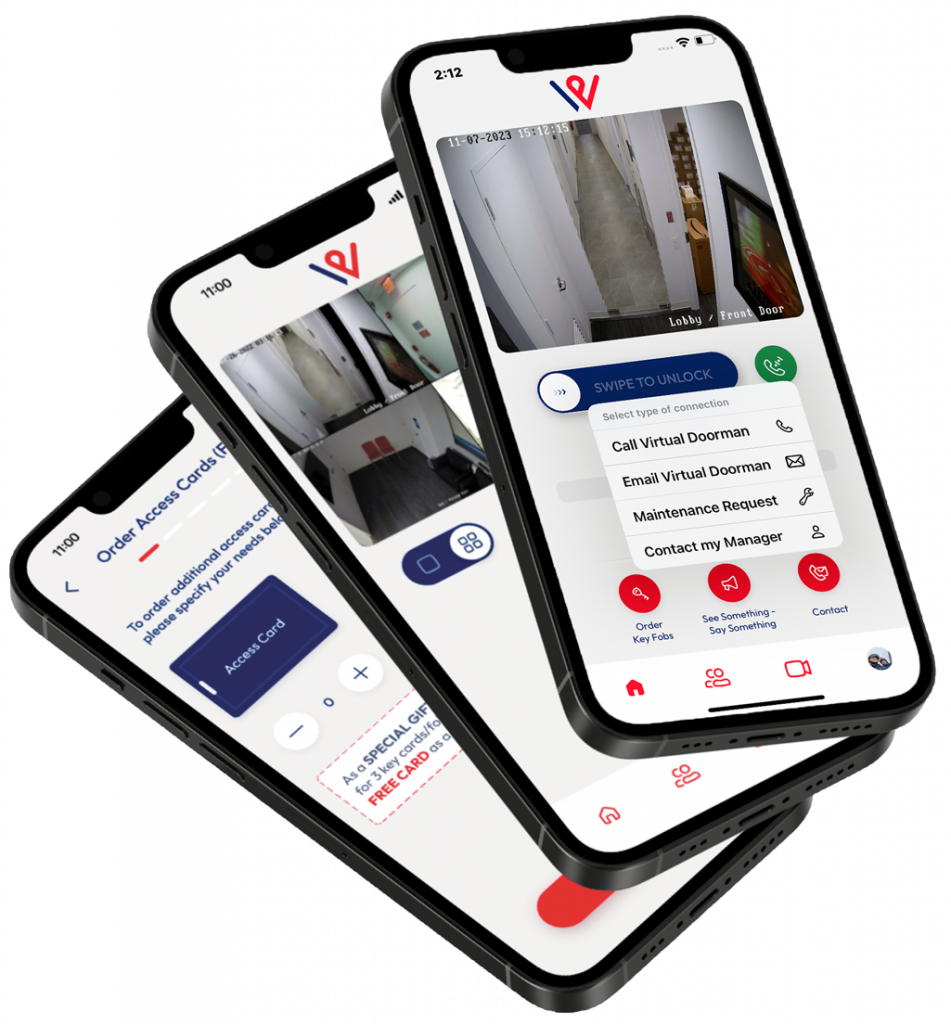
In addition to live operator services, Virtual Doorman offers a state-of-the-art mobile app for residents, property managers, and owners. The app enables in-app, FaceTime®-like calling directly from the building’s intercom, allowing residents to see, speak with, and grant access to guests or delivery personnel in real time from anywhere. It provides live package notifications and lets users pre-authorize guests and deliveries with custom time windows and access permissions. New safety features such as See Something, Say Something allow residents to report unwanted or suspicious activity directly to Virtual Doorman operators and building management in seconds.
What are the biggest operational challenges in running a remote-doorman service?
Running a 24/7 service that blends technology with human operators requires precision on both fronts. On the operations side, staffing live operators around the clock—while maintaining training standards and fast response times—is a constant but essential challenge. On the technology side, ensuring hardware and software reliability across thousands of doors, cameras, and networks means proactively monitoring systems and deploying rapid technical support when needed. There’s also the challenge of delivering a service that feels personal despite being remote: operators must act with the same attentiveness and discretion as an on-site doorman, making empathy and consistency key components of the operation.
“You can’t have an off day,” Foster says. “When people rely on you to secure their home, you have to deliver consistency every single minute of every day.”
“It’s a balance of people and systems,” Barnes adds. “The challenge is maintaining humanity at scale—making residents feel recognized even though the service is remote.”
How has the growth trajectory of Virtual Doorman been since inception? What milestones or inflection points stand out?
Since its launch, Virtual Doorman has expanded from a handful of pioneering buildings to a broad portfolio of residential properties across multiple metro markets. Early adoption was driven by smaller and mid-size buildings searching for a cost-effective way to compete with luxury properties. A major inflection point came when property managers began standardizing Virtual Doorman across their portfolios, recognizing it as a reliable operational asset. Additional milestones include the introduction of live operators as a differentiator from purely automated systems, the rollout of integrated access hardware, and the evolution of the platform into a comprehensive resident-services layer rather than just a video intercom alternative.
“Our defining moment was when property managers started using us portfolio- wide,” Foster recalls. “That validated that we weren’t just a gadget—we were a critical building service.”
“Another major milestone,” Barnes notes, “was expanding our operator team. Once we doubled down on human support, the service became noticeably stronger and demand surged.”
What new features or improvements are you planning for the future?
The roadmap focuses on deepening the integration between technology and human service. Planned enhancements include smarter machine-learning tools to help operators verify identities more efficiently, expanded mobile app capabilities, enriched analytics for property managers, and tighter integration with delivery services and building management systems. There is also an emphasis on expanding the human-operator team and refining protocols so the remote service feels increasingly seamless and personalized. Ultimately, the next wave of improvements aims to make buildings not only more secure but significantly more convenient for residents and managers alike.
“We’re building a smarter platform without losing the human touch,” Foster says. “The future is precision—faster responses, clearer insights, and a more intuitive resident experience.”
Barnes adds, “Our goal is to make the service feel so seamless that buildings can’t imagine operating without it.”
What advice would you give to leaders building tech-enabled service businesses?
Blend technology with human expertise intentionally—not as a cost-cutting replacement for people but as a way to elevate what people can do. Focus on reliability and consistency; in service businesses, trust is your most important currency. Build systems that scale without losing personalization, and invest early in training and customer support. And finally, treat the service component with as much rigor as the technology: the companies that win are the ones that understand they’re not just delivering software, but an experience residents and clients depend on every day.
“Never assume technology can replace human judgment,” Foster advises. “Use tech to make your people better—not the other way around.”
“And invest early in operations,” Barnes adds. “If your product depends on live service, your training and consistency have to be world-class. That’s what builds trust.”
“Modern Access. Trusted Protection.”
“Always Watching. Always Reliable.”

Company Name : Virtual Doorman
Website : https://www.virtualdoorman.com
Management Team
Colin Foster | President